


The Home Secretary has set out a major proposal to redesign how migrants qualify for settlement in the United Kingdom. The statement on 20 November 2025 and the supporting sixty page consultation paper outline a new earned settlement system that replaces the current five year standard route for most people.
These changes are proposals only. They are open for consultation and have not yet taken effect.
1. Why the system is changing
-
Net migration added 2.6 million people between 2021 and 2024.
-
One in thirty people living in the UK arrived in that four year period.
-
Around 1.6 million people are forecast to reach settlement eligibility between 2026 and 2030.
-
The government plans to slow the pace of settlement and link permanent residence to contribution, integration and compliance.
2. New ten year baseline for most migrants
The standard qualifying period for settlement would rise from 5 years to 10 years.
Everyone must meet four mandatory requirements:
-
Clean criminal record
-
English language level B2 (A level equivalent)
-
Sustained National Insurance contributions and taxable income above 12,570 pounds for 3 to 5 years
-
No government debt such as tax debt, NHS debt or litigation debt
Anyone failing these cannot qualify for settlement.
3. Who could settle sooner
Some groups keep a 5 year route, including:
-
Partners of British citizens
-
British Nationals Overseas from Hong Kong
-
Categories protected by the Windrush and EU Settlement schemes
Others may reduce the ten year period based on contribution.
Fast track reductions
-
Settle in 5 years: Taxable income above 50,270 pounds for 3 years immediately prior to applying for settlement
-
Settle in 3 years: Taxable income above 125,140 pounds for 3 years immediately prior to applying for settlement
-
Doctors, teachers and nurses in public service = 5 year route
-
English at level C1 = reduce by 1 year
-
Volunteering = reduce by 3 to 5 years (subject to consultation)
-
Global Talent and Innovator Founder = 3 year route
4. Who would wait longer
Some groups would move onto longer routes:
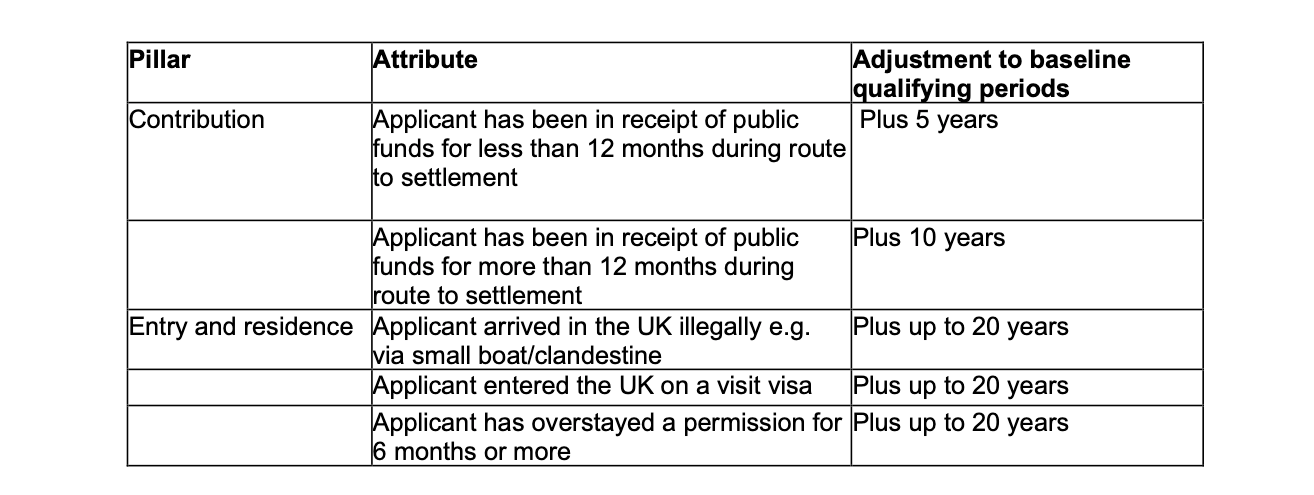
Public funds use
-
Claimed under 12 months = 15 year total
-
Claimed 12 months or more = 20 year total
Immigration compliance issues
-
Entered illegally
-
Entered as visitors
-
Overstayed by 6 months or more
These could add up to 20 years, creating a maximum of 30 years for some cases.
Refugees
-
Core protection refugees = 20 years
-
Resettled refugees through official programmes = 10 years
-
Refugees who switch to work and study may reduce their route
Lower skilled workers
-
All Skilled Worker roles below RQF Level 6
-
Health and Care visa workers and their dependants
These groups would face a 15 year route.
5. Major change for dependants
Under the new system:
-
Dependants do not automatically settle with the main applicant
-
Each dependant will have their own qualifying period
-
Adult dependants must meet mandatory requirements
-
Children who turn 18 will move to a suitable route with adjusted conditions
6. Long residence route
A consequence of the proposed system is that there will no longer be a separate long residence route. The purpose of the existing long residence route will be superseded by arrangements in which the baseline qualifying period is adjustable for considerations relating to contribution and integration.
7. Settlement rights may change
The consultation asks whether settlement should still allow access to public funds.
A new option being considered:
-
Settlement could come with No Recourse to Public Funds (NRPF)
-
Access to benefits may move to British citizenship instead
8. Who is not affected
These reforms do not affect:
-
People who already have settled status
-
EU Settlement Scheme routes
-
Windrush Scheme routes
-
Children in care and care leavers
When the changes apply
-
The proposals will apply to anyone who has not yet received settlement when the new rules begin ( if approved after consultation ).
-
Transitional arrangements are being considered
-
A 12 week consultation is now open, and final rules will follow after government response
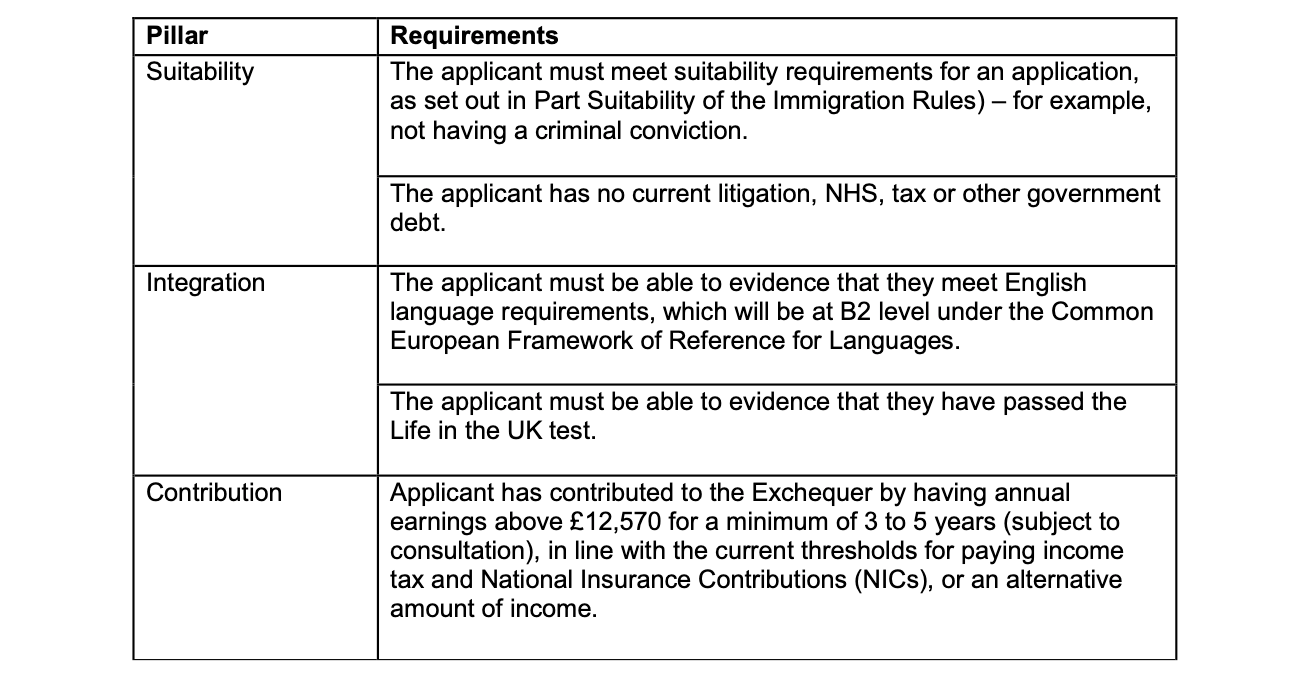
Table 2: Considerations that will reduce the baseline qualifying period. Note: only one of the listed considerations (i.e. the one that causes the largest reduction) would be applied in the case of any single application, and additional years will take precedence over any reduction to the baseline.
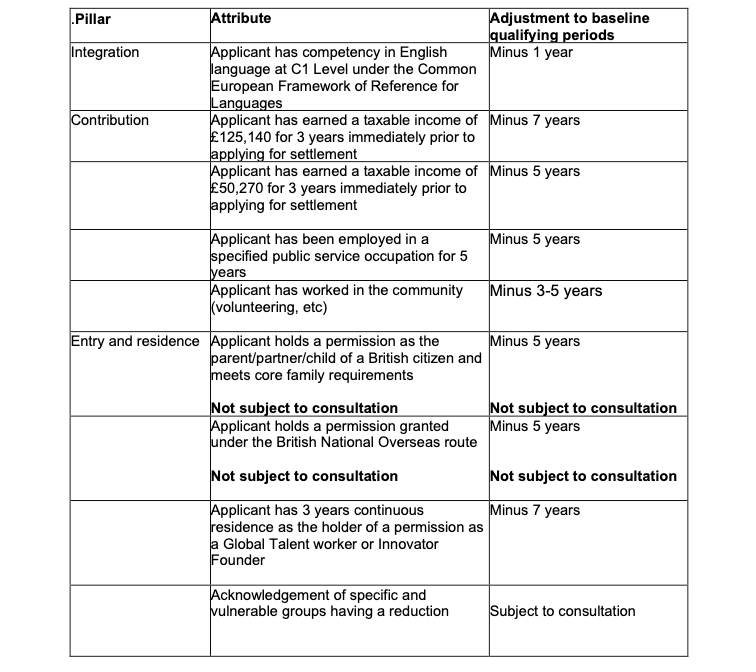 Table 3: Considerations that will increase the baseline qualifying period. Note: only one of the listed considerations (i.e. the one that causes the largest increase) would be applied in the case of any single application. This will take precedence over any reduction to the baseline.
Disclaimer
Every effort has been made to check the information in this summary against the published consultation paper and the Home Secretary’s statement. Even so, the possibility of errors or omissions cannot be ruled out and this should not be treated as legal advice. Rules may change as the consultation progresses. Anyone affected should read the official guidance and seek advice from a qualified immigration professional before making decisions.
Read Home office Guideline here