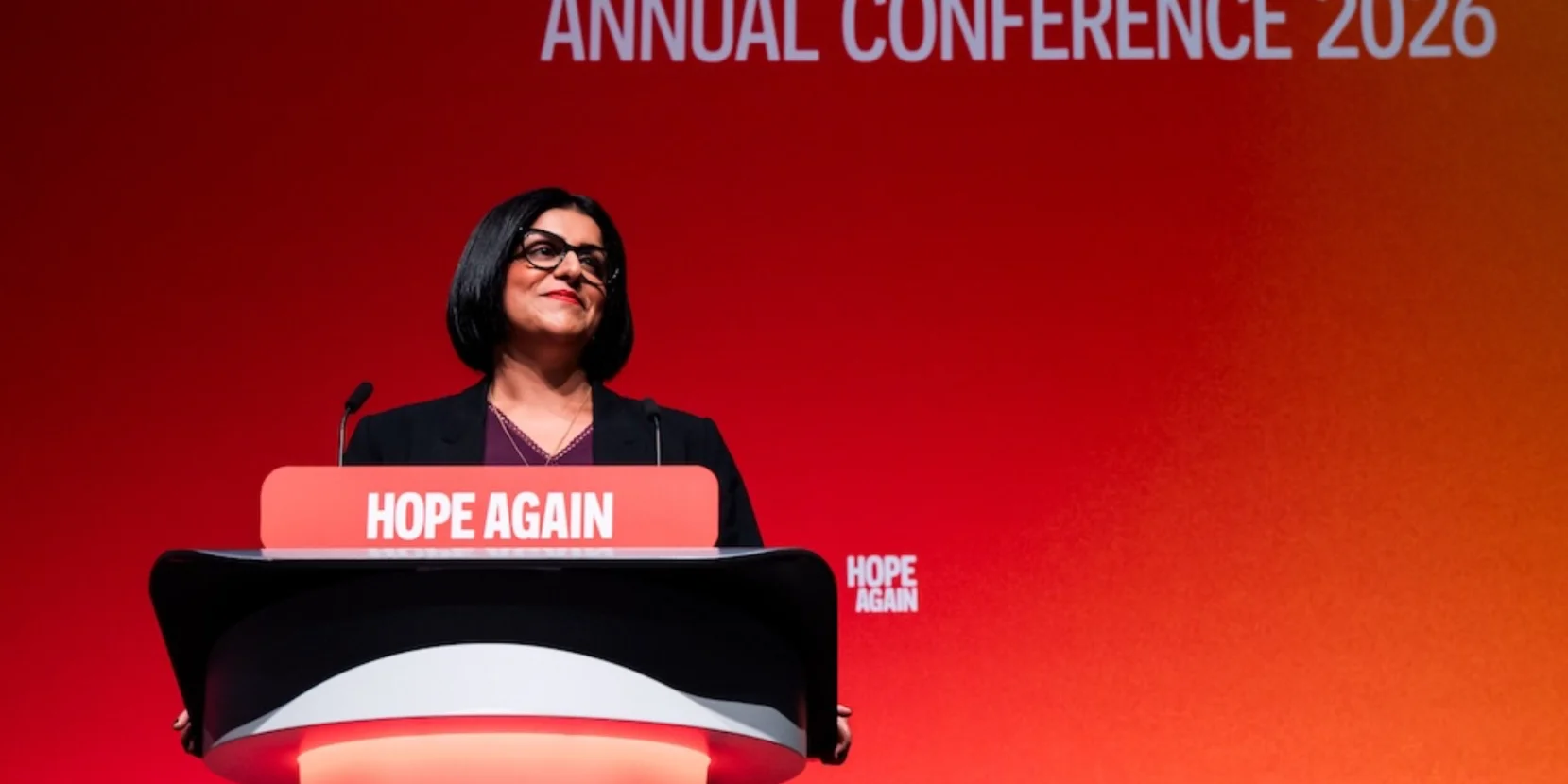


Care workers already in the UK will keep their five-year route to indefinite leave to remain (ILR), while most other migrants will wait 10 years, the Home Secretary told the Commons this afternoon.
The ILR update today came in a Commons statement from Shabana Mahmood on the afternoon of Monday 2 November 2026, setting out the final version of the Earned Settlement policy. The 15-year wait proposed last year for lower-paid workers has gone. In its place is a sliding scale running from three years to 20, with the qualifying period set by what a person has contributed rather than how long they have been here.
This ILR update covers what she announced, who it affects and what has still to be published. We followed the statement through the BBC's live coverage and have read the Home Office press release and the full government response to the consultation, both published this afternoon.
Latest ILR update: the new qualifying periods
Everyone applying for settlement will first have to clear a set of mandatory conditions that cannot be offset by higher earnings or public service:
- No criminal record. Any adult with a UK criminal record will be refused, and that includes cautions, fines and community sentences, not just prison sentences.
- English at B2 level (the equivalent of an A level in a foreign language), up from the current B1.
- A pass in the Life in the UK test.
- No outstanding debt to the government, including NHS debt and unpaid tax or National Insurance.
- A sustained economic contribution: earnings of at least £12,571 a year for a minimum of three years.
Once past those, the qualifying period depends on contribution:
- Three years for people earning at least £125,141 (in three of the last four years) and those in the highest talent group.
- Five years for people earning at least £50,271 (in three of the last five years), for eligible health and education workers on national pay scales such as doctors, nurses and teachers, and for people with a recognised British connection such as partners and parents of British citizens.
- Ten years for everyone else, provided they have earned at least £12,571 in five of the previous seven years. They can keep renewing their temporary visas until they qualify.
- Twenty years for anyone who has committed a qualifying immigration breach as an adult, such as overstaying or using deception in an application.
The salary thresholds track the income tax bands and will move with them.
Anyone who has accessed public funds in the five years before applying cannot use the three, five or 10-year routes. They either complete five continuous years off public funds or wait 20 years.
The Long Residence route will close. Time on temporary routes such as Student, Graduate, Youth Mobility and Global Business Mobility will no longer count towards settlement at all.
ILR news today: what changes for care workers
Around 250,000 people and their dependants arrived on or switched into the care route between 2022 and 2025. The Home Secretary said the route was abused by some sponsors and by some applicants, but that those who did the work they came to do should not lose out.
Care workers who entered or switched into the route before the Immigration White Paper was published in May 2025, and who earn £25,000 a year in sponsored care work, keep their existing five-year path to settlement. They will still need to meet the new criminality and English requirements.
Around a quarter of that cohort did not meet their visa conditions. They are being offered what she called a second chance: a further five-year Health and Care visa restricted to genuine work in the sector, with no recourse to public funds. At the end of it they can apply for settlement.
Care workers whose sponsor loses its licence will also get more time than other sponsored workers. From 1 February 2027 they will have up to 120 days to secure a new job offer and a further 60 days to sort out their visa, 180 days in total, before curtailment.
The same transitional five-year arrangement applies to health and education workers below degree level on national pay scales, such as nursing auxiliaries and teaching assistants, who arrived before May 2025.
The Home Secretary said around 1,800 exploitative employers have already had their sponsor licences removed. If you are a care provider with sponsored staff, our Health and Social Care sector page explains the compliance duties that sit behind that figure.
Who the transitional protection covers, and who it does not
This is the part most people will need to read twice.
The protection for care workers and public sector staff applies only to people who were on those routes before May 2025. Anyone who arrived after that date is on the new rules. The Home Office estimates that over 500,000 people will now settle later than they would have done under the current rules.
The Home Secretary was also clear on a point that matters for every applicant: the rules that apply are the rules in force when the settlement decision is made, not when the person arrived. She said that position is long established and has been tested in the courts.
One further transitional measure: Skilled Workers who arrived before the April 2024 salary rise and have been extending on the old thresholds will be able to keep doing so until 2035, rather than 2030.
Nobody who already holds settled status will lose it.
Families and dependants
The government has dropped the idea that partners and children should earn settlement in their own right.
A partner who arrives with the main applicant can settle at the same time. A partner who joins later must complete the same qualifying period from the date they arrive. Couples can combine their earnings to meet the minimum income test, with a household threshold of £25,142.
Children under 18 settle with their parents and are exempt from the income, debt, English and Life in the UK requirements. Young adults aged 18 to 24 who still hold dependant status can settle with their family. From 25, they are expected to qualify independently.
Refugees and settlement
People who arrive through designated safe and legal routes will be on a five-year path. Refugees who claim asylum after arriving another way move onto Core Protection with a 20-year route, which drops to 10 years from the point they move into sustained work or study. Anyone who entered illegally, including by small boat, has a further 10 years added, so up to 30 years in total.
What the consultation found
The Home Office also published the consultation findings this afternoon. The report, by IFF Research, draws on 204,667 online responses and 904 by email. Almost three quarters of individual respondents were current visa holders.
The headline numbers go some way to explaining today's decisions:
- 84% of individuals and 79% of organisations disagreed with the proposals as drafted.
- 68% of individuals and 73% of organisations wanted transitional arrangements for people already on a settlement path.
- 72% of individuals and 78% of organisations opposed the 15-year period for work below degree level.
- Among employers, 62% said the changes would make them less likely to sponsor in future, and 70% expected it to be harder to keep their migrant staff.
The 15-year tier has gone, transitional cover has been given to the care and public sector groups respondents raised most often, and the plan to make dependants qualify separately has been dropped. The 10-year default for most workers, which respondents also opposed, stays.
Our recent ILR coverage
We have followed this story through the past week:
- Care workers could be treated like doctors under settlement rules due today (2 November)
- ILR changes: Mahmood to confirm final rules next week (31 October)
- Six-month curtailment period and two-year graduate visa announced at Budget 2026 (28 October)
What to do now
Nothing in today's statement is law yet. The current five-year rules stay in force until a statement of changes to the Immigration Rules is laid and takes effect. The government says it will publish further technical guidance and a full impact assessment before implementation, and has not given a date.
If you are close to five years of lawful residence, that gap matters. The Home Secretary's own words are that the rules applied are those in force when the decision is made, not when you arrived. Anyone considering an indefinite leave to remain application under the current rules should take advice on timing now.
If you hold a Skilled Worker visa or Health and Care Worker visa, check which band you fall into, whether you arrived before or after May 2025, and when your five years is up. If you sponsor staff, work out who is closest to settlement and what today's bands mean for each of them.
We will update this page when the statement of changes is laid.
If you are unsure how these changes affect you or your sponsored workers, book a consultation with our team.
Sources: Home Secretary's statement to the House of Commons, 2 November 2026; Home Office press release and A Fairer Pathway to Settlement: Government response to the consultation, 2 November 2026; Home Office, Earned Settlement: Consultation findings, 2 November 2026; BBC News live coverage.