

Overseas care workers waiting to find out whether they face a 15-year wait for settlement may have some hope.
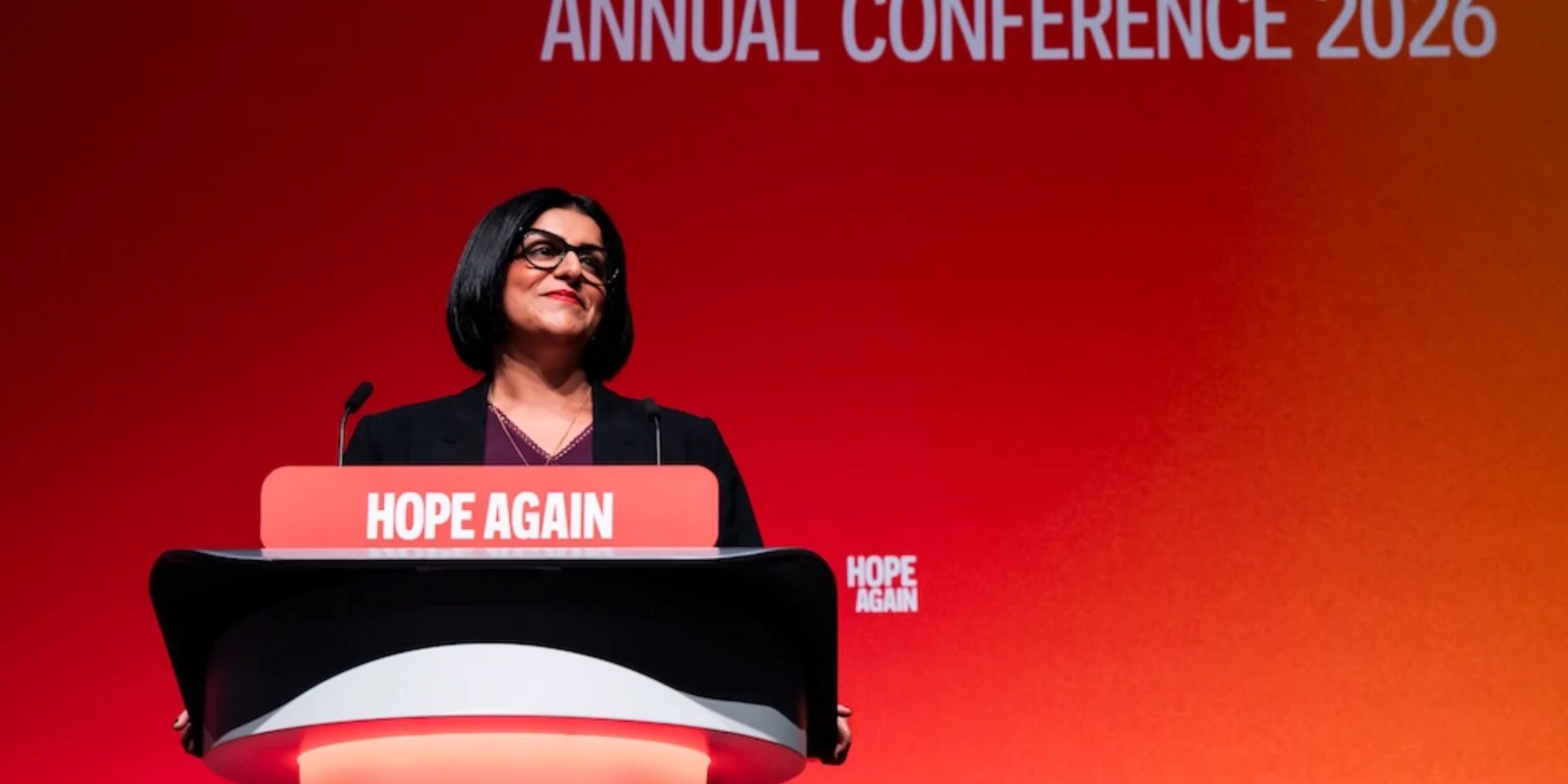
On Monday 28 September, the Home Secretary, Shabana Mahmood, told the Labour Party conference that the government had heard concerns that parts of its indefinite leave to remain (ILR) reforms are unfair, and that it would look for a fairer balance.
Here is what she said, what the proposals are, and what it means for care workers and their employers right now.
What the Home Secretary said
Speaking in Liverpool, Ms Mahmood said the government must restore "control and fairness" to legal migration as well as asylum. She said her ILR reforms were built on the principle that "settled status is earned by those who have shown a consistent commitment to this country".
She then addressed the criticism directly: "I know that throughout our consultation process some have said elements of these reforms are not fair. To that, let me say this: we will come to a position that balances fairness for those who came here legally, and fairness to British citizens across this country."
Sources close to the Home Secretary told the Guardian that no decision has been made on the ILR proposals. The speech, they said, set out the principles that will guide those decisions.
What the proposed reforms are
The government's "earned settlement" plans would double the standard qualifying period for ILR from five years to ten. For workers in roles below graduate level, including those who came on the Health and Care Worker visa, the wait would rise to 15 years.
The changes would apply to people who have arrived since 2021. That is the point that has caused the most anger. Many care workers came to the UK in 2022 and 2023 expecting to qualify for settlement after five years. Under the proposals, that promise would be withdrawn after they had already moved their lives here.
This follows earlier restrictions on the care sector. Last year the government closed the Health and Care visa to new overseas recruitment and stopped care workers bringing family dependants with them.
Who is pushing for a change
The pressure is coming from inside the government and from the unions.
Angela Rayner, the Housing, Communities and Local Government Secretary, has called the plans "un-British" and, ahead of conference, described them as "very disruptive". She said carers were asked to come to this country to look after vulnerable people and the government then "changed the goalposts years down the line".
Andrea Egan, general secretary of Unison, said the promise of settlement after five years was "not only being broken but replaced with the threat of 15 years of insecurity and exploitation". A union protest outside the conference on Monday called for migrant workers not to be made scapegoats.
The Energy Secretary, Miatta Fahnbulleh, who came to the UK as a child refugee from Liberia, also admitted her own family would have found the changes tough. And dozens of Labour MPs signed a letter to the Home Secretary at the start of the year describing the plans as "un-British".
What this means for care workers
Nothing has changed yet. The current Immigration Rules still apply, and the 15-year rule is a proposal, not law. But this is the clearest sign so far that the government may soften the plans, particularly for people already in the UK.
If you are a care worker on a Health and Care Worker visa, our advice is:
Keep your visa valid and your continuous residence unbroken. Any gap could affect your settlement application under whatever rules are finally confirmed.
Keep records of your employment, payslips and absences from the UK.
Do not act on rumours or social media claims. Wait for the published rules and get proper advice.
If you are close to five years' qualifying residence, speak to a solicitor now. Timing may matter.
Our team advises on personal immigration matters including settlement applications. Book a consultation if you are unsure where you stand.
What this means for care employers
For care providers holding a sponsor licence, the uncertainty is a retention problem. Staff who believed they had a route to settlement are now worried, and some are looking to leave the sector.
Employers should keep communicating with sponsored staff, keep their sponsor licence compliance in order, and make sure every sponsored worker's visa and right to work records are up to date. If the rules are softened, well-run providers will be in the best position to keep their workforce.
We will keep you updated
The Home Secretary has not committed to any specific change. But the direction of travel has shifted, and we will report as soon as the government publishes its decision.
If you are a care worker or a care provider affected by the ILR reforms, NARA Solicitors is here to help. Our team of experienced solicitors is ready to provide the guidance and support you need.
Book a consultation with Nara Solicitors today.