


Trade unions have increased pressure on the government over its planned changes to settlement rules.
At its annual congress in Brighton on Monday 14 September 2026, the Trades Union Congress (TUC) backed a motion opposing the government's "earned settlement" proposals.
The motion was moved by Unison and seconded by the Society of Radiographers. It was backed unanimously by delegates.
These are still proposals. The current settlement rules have not changed. But if you are a migrant worker, or an employer that sponsors workers, this is a debate to follow closely.
What the Government Has Proposed
The Home Office published its earned settlement plans in November 2025. At present, most migrants on work routes can apply for indefinite leave to remain (ILR) after five years.
Under the proposals:
the standard qualifying period for settlement would double to 10 years for most migrants
shorter routes would be available for those the government sees as contributing most, including high earners
key public service workers, including doctors and nurses, may still settle after five years
the government has consulted on a 15-year period for workers in medium-skilled and lower-skilled roles, which includes most care workers
The House of Commons Home Affairs Committee has noted that the 15-year proposal would also affect roles such as chefs, welders and some administrative jobs.
The consultation on parts of the reforms has now closed. The Home Office has said it will publish its response in due course. The Home Secretary, Shabana Mahmood, has told MPs that a final decision will come later this year.
What the TUC Motion Says
The motion argues that the proposals target health and social care workers and punish them for doing low-paid but essential work. It compares the proposed treatment of high earners and public service staff, stating that "a city trader could secure safe haven many years faster than an NHS radiographer".
The motion also:
calls on the government to withdraw the proposals
opposes applying longer qualifying periods to people already in the UK
supports keeping the five-year route to settlement for workers
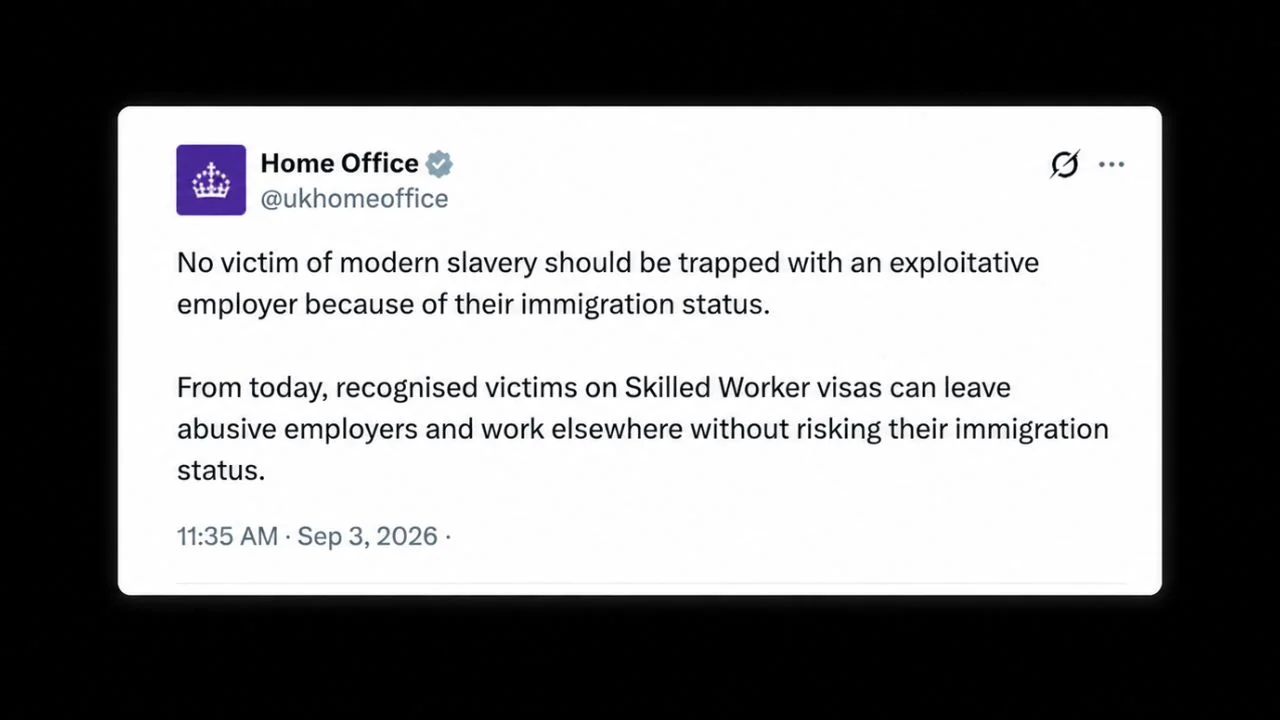
calls for a sector-wide visa scheme in social care, so workers can challenge bad employers without the threat of deportation
Unison and the Society of Radiographers said their members feel scared and confused by the plans.
Concerns from Care Providers and MPs
Care providers have warned that the changes could lead to a new staffing crisis in social care. Care England's chief executive, Professor Martin Green, said the proposals put at risk the hope created by Prime Minister Andy Burnham's pledge to fix social care.
Some Labour MPs have argued that, at the very least, any changes should apply only to future migrants and not to people already living in the UK.
There are also reports that a possible compromise has been discussed at official level. This would create a new "pre-settled" status for care workers and other low-paid migrants. It would give them stronger employment rights after a few years, including the ability to switch employer, even if full settlement still took longer. The government has not confirmed this.
What This Means for You Right Now
For migrant workers:
The current rules still apply. Nothing has changed yet.
If you are close to qualifying for ILR, check your dates and make sure you meet every requirement.
Keep your records in order, including payslips, P60s and a record of your absences from the UK.
We do not yet know what transitional arrangements, if any, will apply to people already in the UK.
If you are unsure when you can apply for settlement, book a consultation and we will review your position.
For employers:
Care providers and other sponsors should think about how longer settlement periods could affect staff retention.
Keep your sponsor duties up to date while the rules are under review. A sponsor licence compliance audit can help you spot problems early.
If you plan to recruit, our team can advise on Skilled Worker visa applications under the current rules.
We Will Keep You Updated
The government's final decision is expected later this year. We will share updates as soon as it publishes its response.
If you are worried about how these changes could affect you, your family or your workforce, NARA Solicitors is here to help. Our team is ready to give you clear advice based on the rules as they stand.
Book a consultation with NARA Solicitors today.