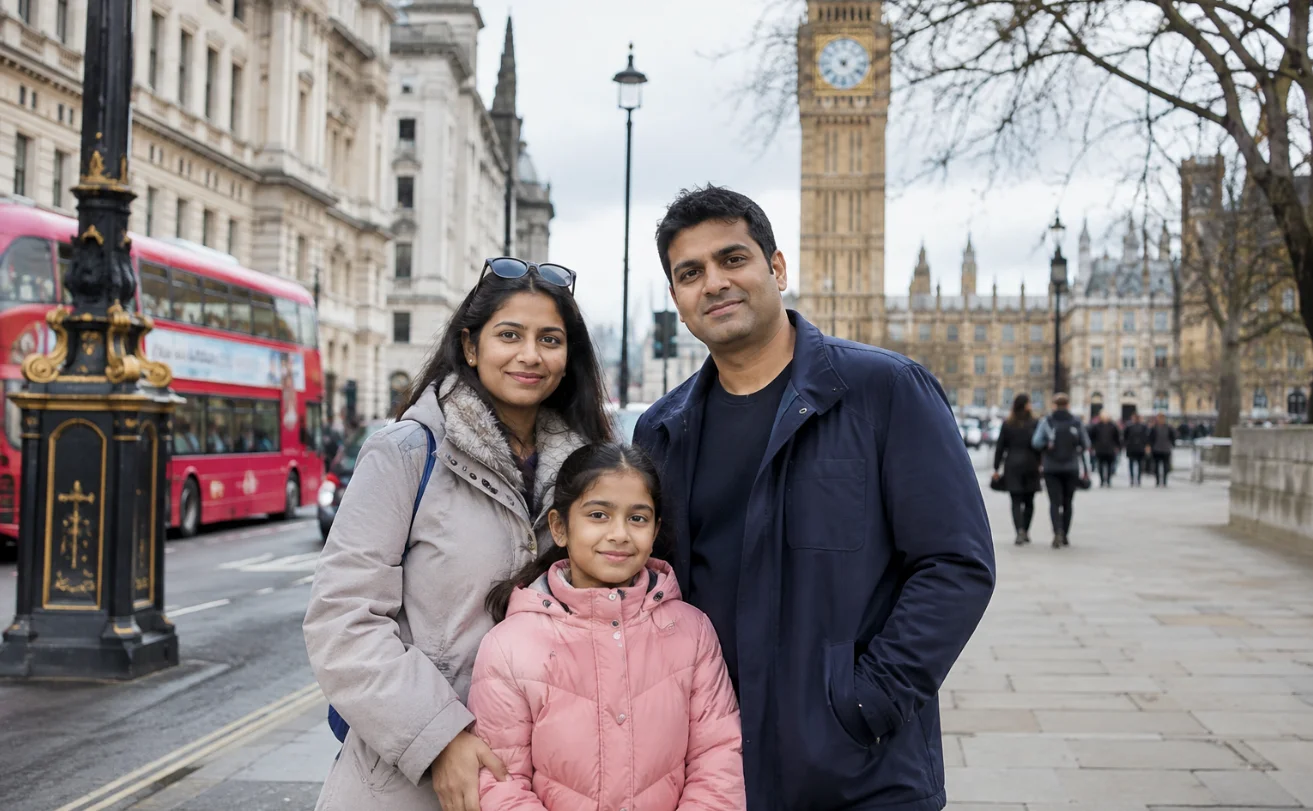
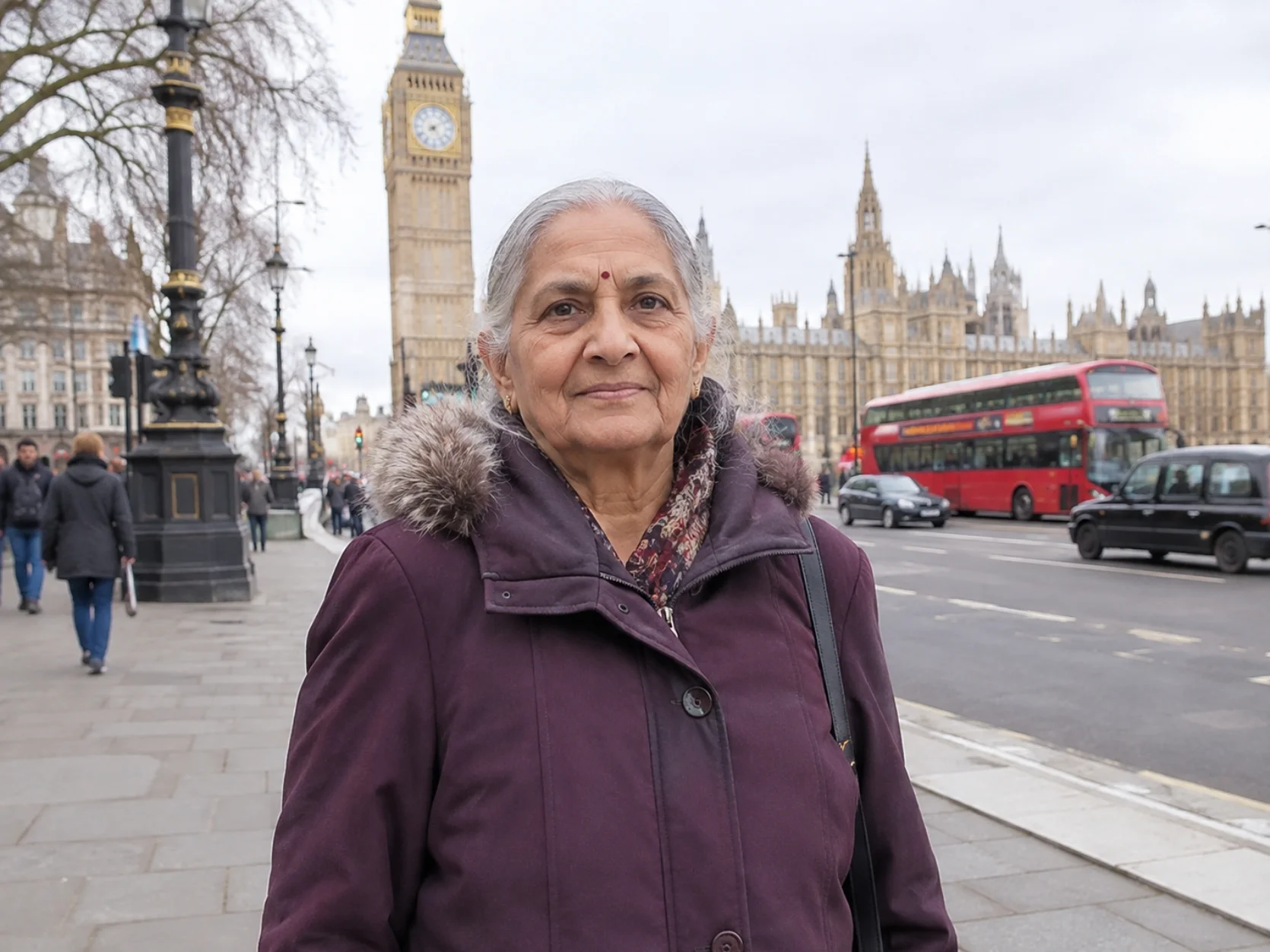
A grandmother from India, aged almost 74, has been granted a 10-year UK Standard Visitor visa to visit her grandson’s family, although the Skilled Worker visa that keeps that family in the UK runs only until 2029.
Her grandson’s wife holds the Skilled Worker visa as the main applicant. Her grandson is in the UK on a dependant visa, and the couple have a young child. At her age, our client wanted to spend time with them and be part of their lives in the UK.
Families in this position often assume that a parent’s or grandparent’s visitor visa cannot run past their own permission, so they never ask for a long-term visa at all. This case shows why that assumption should not be made. Our client’s visa runs years beyond 2029, as it did for the parents in another recent 10-year visit visa case. Each application is decided on its own facts, so the same length of visa will not be granted in every case.
What makes this grant notable is that her application did not start from a clean slate.
The difficulty lay in our client’s last trip to the UK. She had planned to stay for two months, but during that visit her granddaughter-in-law went into premature labour. With the family in need of support, our client extended her stay to four months. She remained within the validity of her visa and complied with all its conditions.
Even so, a stay twice as long as planned raised questions about whether she was a genuine visitor. This matters for long-term visas in particular: GOV.UK states that a long-term visitor visa may be cancelled if the holder’s travel history shows they are repeatedly living in the UK for extended periods.
Her finances raised a second question. She has no bank account and no property in her own name, and she relies financially on her son in India. Left unexplained, both points could have counted against her.
Our team regularly handles visitor visa applications where an earlier stay or a family member’s financial support needs careful explanation. We prepared her Standard Visitor visa application so that neither point was left for the caseworker to interpret.
Granted for 10 years
The application succeeded, and our client was granted a 10-year Standard Visitor visa.
GOV.UK states that a long-term Standard Visitor visa lasts 2, 5 or 10 years, with a maximum stay of 6 months on each visit. It also states that UKVI may issue a shorter visa than the one requested if it believes the applicant cannot meet the requirements for the whole period. Our client received the full ten years, despite the history of her earlier visit.
For the family, this means future visits can be planned without a fresh application, a new set of documents and further fees each time. For our client, it means she no longer has to go through the process before every trip. Successful applicants now receive an eVisa rather than a sticker in their passport, a change we covered when UK visitor visas went digital.
Two points from this case may help other families. If a previous visit ran longer than planned for a reason outside your control, explain it and prove it with records from the time and evidence that you left. If a visitor relies on a relative for money, say so plainly and support it, rather than presenting finances that are not theirs.
Nara Solicitors is a firm of immigration solicitors in London that prepares visitor visa applications for parents, grandparents and other relatives, including cases with a complicated travel history or, as in this earlier case, a previous refusal.
You can read more of our success stories or book a consultation to discuss your family’s circumstances.