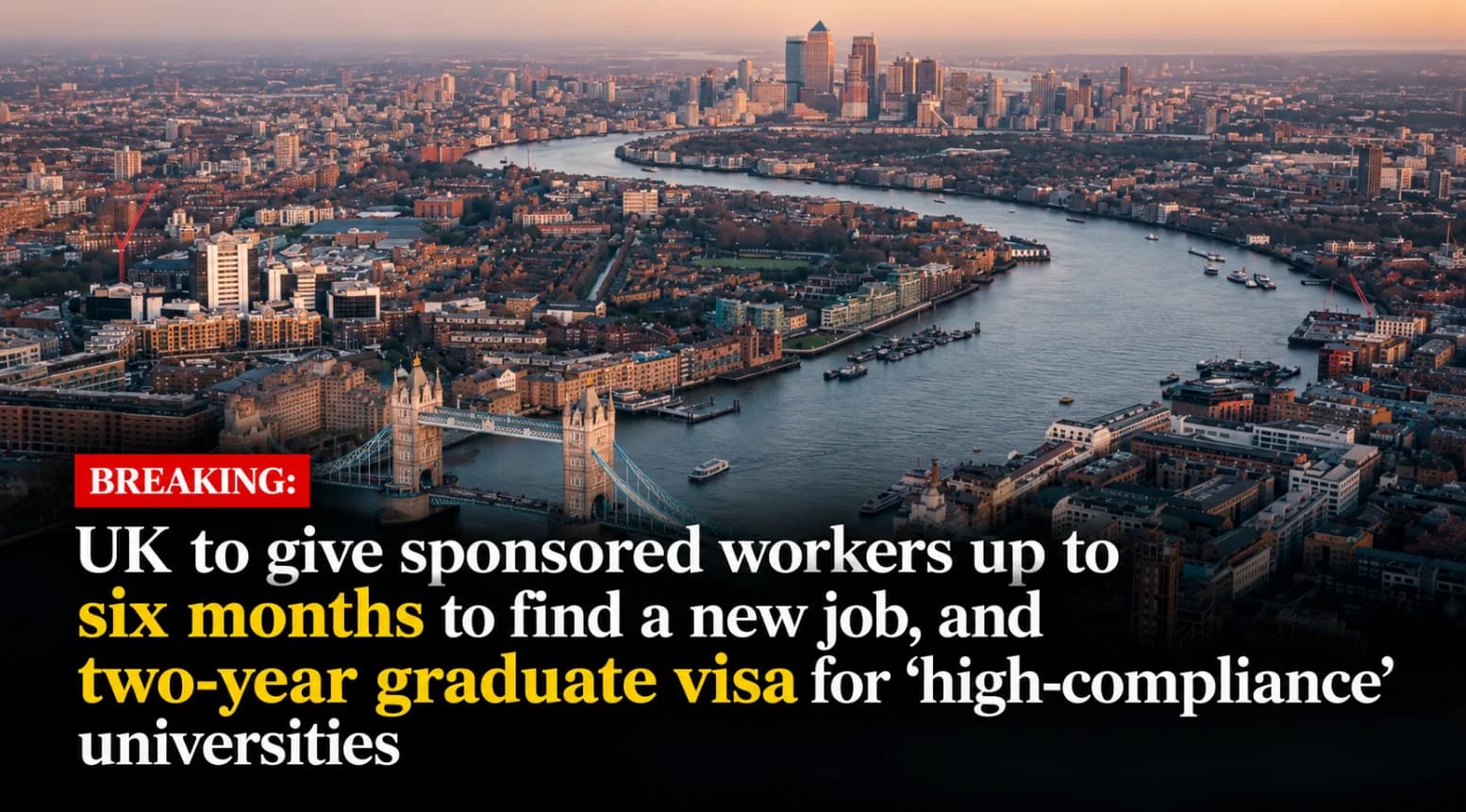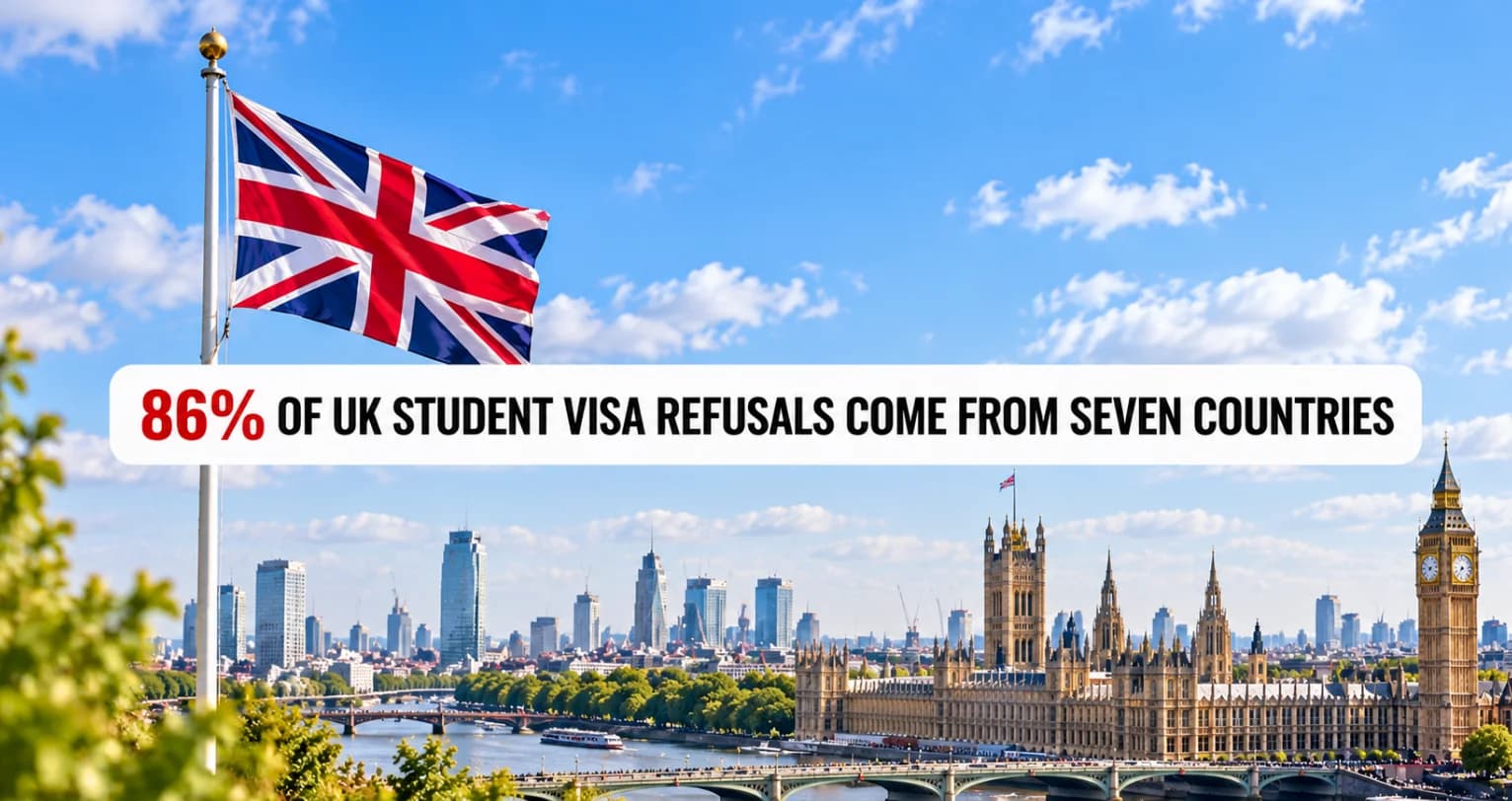

The Home Secretary, Yvette Cooper MP, has announced a wide-ranging package of immigration reforms that will be laid before Parliament in the coming weeks.
These reforms form the first phase of the government’s new Immigration White Paper and represent a major shift in the UK’s immigration policy.
Designed to reduce net migration and restore order to the points-based immigration system, the reforms signal a move toward higher skills, lower numbers, and greater investment in the UK workforce.
Key Reforms to Be Introduced
Subject to parliamentary approval, the following changes are expected to come into effect from 22 July 2025:
- Raising the general skills threshold to RQF Level 6 (equivalent to a UK bachelor’s degree), significantly tightening eligibility for Skilled Worker visas.
- Removing 111 occupations from the list of eligible roles under the Skilled Worker route.
- Closing the care worker visa route to overseas recruitment due to widespread concerns over abuse and non-compliance.
- Introducing a conditional and time-limited Temporary Shortage List to allow international recruitment only for critical roles aligned with the UK’s industrial strategy or essential infrastructure.
- Commissioning the Migration Advisory Committee (MAC) to review the Temporary Shortage List, including salary levels, occupations, and associated benefits.
Occupations on the Temporary Shortage List:
- Will not be eligible to bring dependants.
- Will not receive discounts on salary thresholds or visa fees.
- Will be included on a temporary basis only until the end of 2026, unless the MAC recommends otherwise.
In addition, each sector seeking continued access to the immigration system must demonstrate a workforce strategy to train and retain UK-based workers. Sectors that fail to do so will lose access to the immigration system.
Further Changes Coming by the End of 2025
Additional measures expected later this year include:
- An increase in the Immigration Skills Charge
- Higher English language requirements across all visa categories
- Introduction of a new family immigration policy framework, to be laid before Parliament
These changes are part of a broader strategy to overhaul the UK’s immigration and border system, with more reforms expected later in 2025, particularly around asylum and enforcement.
Statement from the Home Secretary
Home Secretary Yvette Cooper said: “We are delivering a complete reset of our immigration system to restore proper control and order, after the previous government allowed net migration to quadruple in four years. These new rules mean stronger controls to bring migration down, to restore order to the immigration system and to ensure we focus on investing in skills and training here in the UK. As part of the Plan for Change, we can build an immigration system that serves the needs of the British economy and people – one that values skills, tackles exploitation, and ensures those who come to the UK make a genuine contribution.”
Legal Guidance and Support
At NARA Solicitors, we are actively advising employers, care providers, workers, and families on how to prepare for these significant immigration changes.
If you are currently sponsoring workers or planning international recruitment, or if your visa plans may be affected by the new skill level or occupation rules, early legal advice is essential.
Contact our immigration team today for tailored support.
Also Read: Temporary Shortage List Guide 2025