

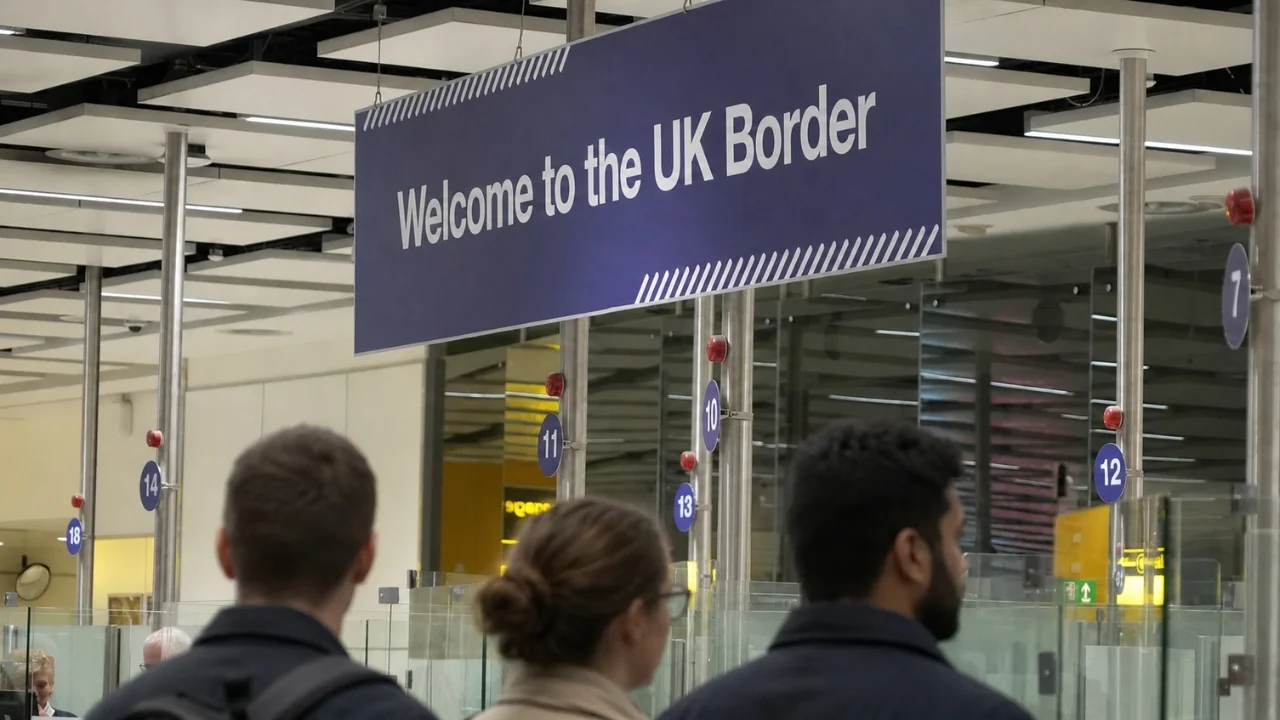
The Home Office is considering a major concession on its plans to double the qualifying period for indefinite leave to remain (ILR), according to a report published by The Times on 13 July 2026.
The report, written by Matt Dathan, Home Affairs Editor at The Times, states that up to 1.6 million migrants who arrived in the UK since 2021 could be exempted from the proposed increase in the ILR qualifying period from five years to ten years.
This group of foreign workers and their families has been widely referred to as the "Boriswave", after the rise in immigration that followed the post-Brexit immigration system introduced under Boris Johnson.
What Is Being Proposed?
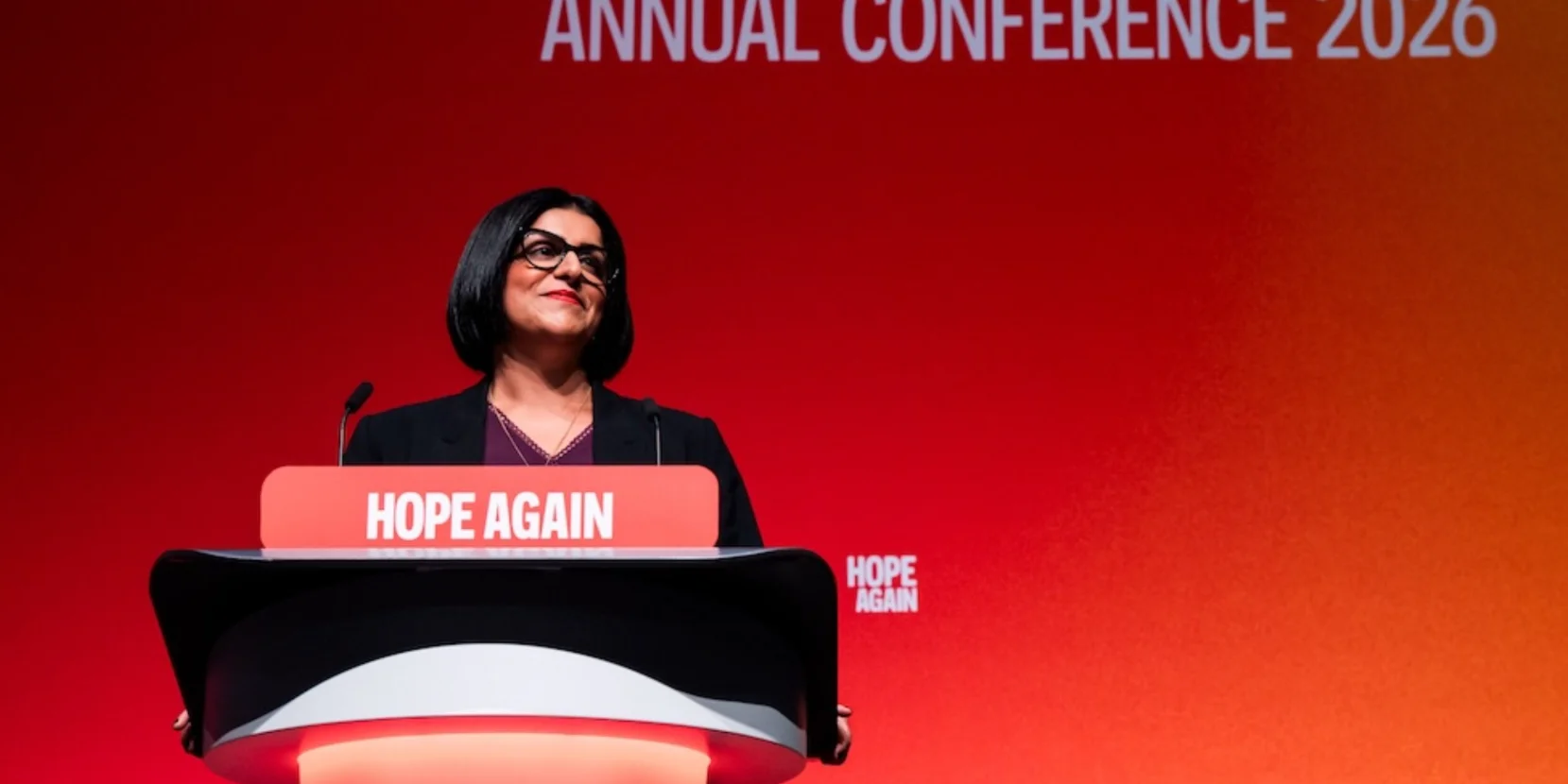
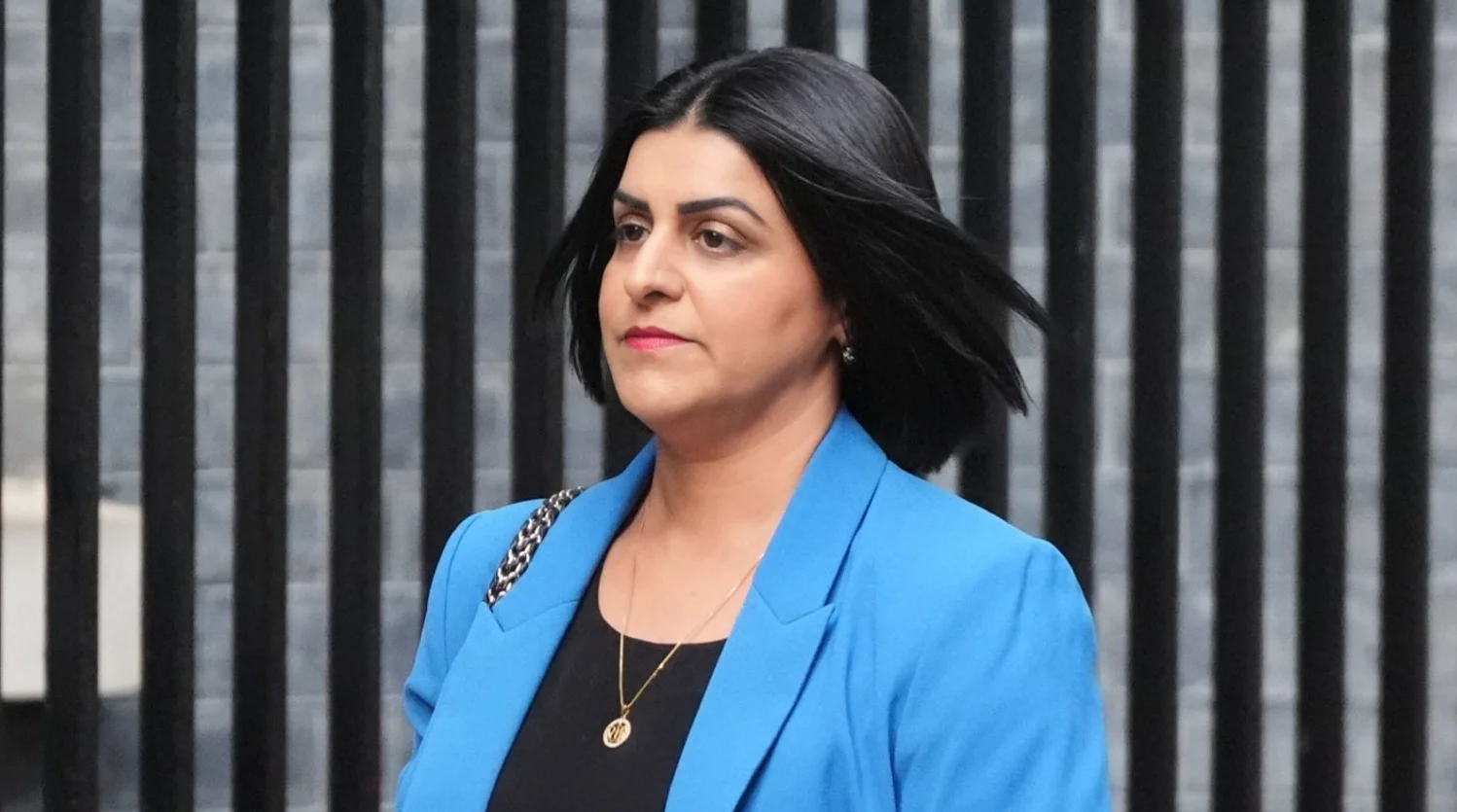
Under the reforms put forward by Shabana Mahmood, the Home Secretary, the standard qualifying period for ILR would double from five years to ten. ILR is the status that gives a person the right to live, work and study in the UK permanently. It is also the usual final step before British citizenship.
One of the most controversial parts of the plan has been its retrospective effect. As drafted, the ten-year rule would apply to people who are already in the UK and who came here expecting to settle after five years.
According to The Times, officials have now drawn up several options to soften the impact on those already here. Under one scenario, migrants who arrived since 2021 would still qualify for ILR after five years. In return, they would have to wait a further three to four years after getting ILR before they could access benefits such as universal credit, housing support and disability payments. The report states this waiting period would also apply to refugees.
A government source quoted in the article said: "What it boils down to is benefits. You would allow them to get ILR after five years but you don't allow them to claim benefits until three or four years later."
The report comes at a moment of political change. Andy Burnham is set to become Prime Minister on 20 July, and The Times reports that he has criticised the retrospective application of the ILR changes as unfair, while supporting the "broad thrust" of the wider immigration reforms. Nearly 80 Labour MPs signed a letter last week urging him to scrap the retrospective element of the policy.
The Home Secretary has also said that some migrants may receive "special treatment" to limit the impact of the changes. According to the report, this could include exempting more than 600,000 foreign care workers from the ten-year requirement.
A Home Office spokesperson quoted by The Times said: "Settlement in the UK is a privilege, not a right. That is why we are reforming settlement rules, based on contribution to the UK and ensuring those staying here respect our laws and contribute to the country."
What Does This Mean for You?
It is important to stress that nothing has changed yet. These are proposals under discussion, and The Times reports that the final changes will be confirmed in the autumn through amendments to the Immigration Rules, without a vote by MPs.
If you arrived in the UK in 2021 or later on a work route such as the Skilled Worker visa, this report suggests your existing five-year path to settlement may be protected. But until the Home Office publishes the final rules, no one can say with certainty how the changes will apply to any individual.
Our advice is simple. Do not make rushed decisions based on press reports. Keep your immigration status valid, keep your documents in order, and take proper legal advice before acting. Our team advises both individuals and employers on settlement, visa extensions and long-term immigration planning. If you are unsure how these proposals could affect you or your family, book a consultation with NARA Solicitors.
We covered the earlier parliamentary debate on this issue in our news article: Parliament Debates Potential 10-Year ILR Rule for Skilled Workers.
We will continue to monitor developments and will publish an update when the Home Office confirms the final rules in the autumn.
If you are concerned about your route to settlement, NARA Solicitors is here to help. Book a consultation with our team today.
Disclaimer: This article is based on reporting by Matt Dathan, "Home Office may relax immigration reforms for Andy Burnham", The Times, 13 July 2026. This article is for general information only and does not constitute legal advice. It reports on proposals described in the press that have not been enacted and may change. Immigration rules are subject to frequent amendment, and how they apply depends on your individual circumstances.